Understanding Microalgae Astaxanthin
Microalgae astaxanthin, a powerful carotenoid derived from microalgae, has gained significant attention in recent years due to its remarkable health benefits and potential applications across various industries. As a potent antioxidant, astaxanthin plays a crucial role in combating oxidative stress, making it a valuable addition to dietary supplements and functional foods. When exploring options, microalgae astaxanthin provides comprehensive insights into the nutritional advantages it offers, especially in promoting overall health and wellness. This article delves deep into what microalgae astaxanthin is, its health benefits, and how it is sourced and produced.
What is Microalgae Astaxanthin?
Microalgae astaxanthin is a red-orange pigment found in several species of microalgae, most notably Haematococcus pluvialis. This carotenoid is responsible for the vibrant coloration of many aquatic organisms, including salmon, shrimp, and flamingos. Unlike other carotenoids, astaxanthin is unique due to its complex molecular structure, which includes a long-chain of conjugated double bonds that enhance its antioxidant properties.
Astaxanthin is not synthesized by the human body, making it essential to obtain from dietary sources or supplements. It is known for its high bioavailability, which allows the body to effectively absorb and utilize it, further enhancing its therapeutic potentials.
Health Benefits of Microalgae Astaxanthin
The health benefits of microalgae astaxanthin are substantial, making it an attractive option for those aiming to improve their overall health. Some key benefits include:
- Powerful Antioxidant: Astaxanthin is reported to be up to 6000 times more potent than Vitamin C as an antioxidant, helping to neutralize free radicals in the body.
- Anti-Inflammatory Properties: Research indicates that astaxanthin can reduce inflammation, which is associated with various chronic diseases, including arthritis and cardiovascular conditions.
- Skin Health: Astaxanthin has shown promise in improving skin elasticity, hydration, and reducing the appearance of fine lines and wrinkles.
- Eye Health: It may protect against eye strain and degeneration by filtering harmful blue light and reducing oxidative stress on the eye.
- Support for Athletic Performance: Some studies suggest that astaxanthin can enhance endurance and reduce muscle soreness following exercise.
Sources and Production Methods
Microalgae astaxanthin is primarily sourced from the microalga Haematococcus pluvialis, which naturally produces astaxanthin in response to environmental stressors such as high light intensity and nutrient deprivation. This process allows the microalgae to accumulate significant amounts of astaxanthin within their cells.
Several production methods have been developed to cultivate microalgae efficiently. These include:
- Open ponds: Utilizing sunlight, this method is cost-effective but can be impacted by contamination and climatic variability.
- Closed photobioreactors: These systems offer better control over growth conditions, minimizing contamination risks and maximizing yield. They are more expensive but result in high-purity products.
- Fermentation: Some companies are exploring fermentation techniques that utilize bacteria or yeast to produce astaxanthin, offering a potential alternative source.
The Science Behind Microalgae Astaxanthin
To fully appreciate the potential of microalgae astaxanthin, it is essential to understand how it functions within the body and its comparative effectiveness against other antioxidants. Groundbreaking research is continuously uncovering the science that underpins its benefits.
How Microalgae Astaxanthin Works in the Body
When consumed, microalgae astaxanthin is absorbed through the gastrointestinal tract, entering the bloodstream where it exerts its effects. It is known to cross the blood-brain barrier, providing neuroprotective benefits by reducing oxidative stress in brain tissue.
Astaxanthin interacts with cellular membranes, thereby enhancing their stability and fluidity. This interaction is critical in supporting cell function and protecting cells from oxidative damage. Furthermore, astaxanthin’s unique chemical structure allows it to quench singlet oxygen and regenerate Vitamin E, making it a multifaceted antioxidant.
Comparative Analysis with Other Antioxidants
While many antioxidants are known for their health benefits, astaxanthin stands out due to its high potency and unique capabilities. For instance:
- Vitamin C: Though effective, Vitamin C is water-soluble and may not effectively address lipid peroxidation, which astaxanthin can do effectively.
- Coenzyme Q10: Aids in energy production and has antioxidant properties, but astaxanthin’s superior absorption and stability make it a preferred choice in some contexts.
- Curcumin: Known for its anti-inflammatory properties, while curcumin has been extensively studied, astaxanthin’s effects on cell membranes provide unique health benefits that curcumin does not.
Recent Research and Findings (2026)
The landscape for astaxanthin continues to evolve, with research published in early 2026 showcasing novel applications in health and nutrition. Findings indicate that astaxanthin supplementation may lead to improved cognitive function and reduced age-related decline in brain health.
Other studies have reported positive effects on cardiovascular health, with astaxanthin shown to improve lipid profiles and reduce arterial stiffness, marking it as a potentially valuable supplement for heart health.
Incorporating Microalgae Astaxanthin into Your Diet
Incorporating microalgae astaxanthin into one's diet can be straightforward and beneficial. Here, we explore best practices for consumption, delicious recipes, and guidelines for supplement selection.
Best Practices for Consumption
To maximize the benefits of microalgae astaxanthin, consider the following tips:
- Dosage: A daily dose ranging from 4 to 12 mg is commonly recommended, but individual needs may vary depending on health goals.
- Timing: Consuming astaxanthin with a meal that contains fats can enhance its absorption.
- Hydration: Drinking adequate water can aid in digestion and absorption of nutrients, including astaxanthin.
Recipes Featuring Microalgae Astaxanthin
Incorporating microalgae astaxanthin can be delicious. Here are a couple of simple recipes:
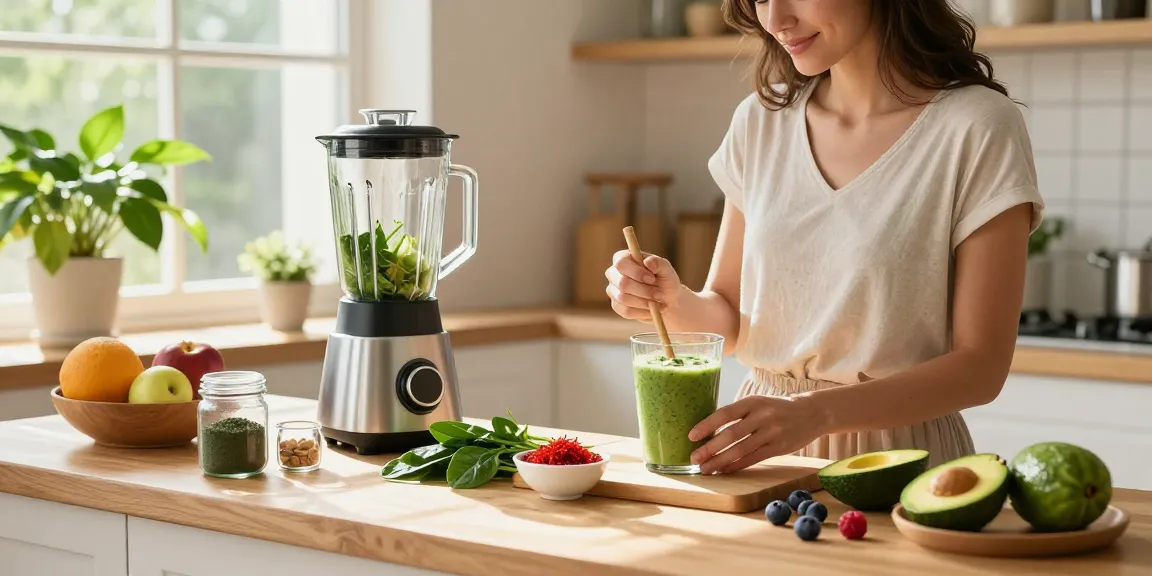
- Astaxanthin Smoothie: Blend one cup of spinach, half a banana, a teaspoon of astaxanthin powder, and almond milk for a nutrient-packed smoothie.
- Astaxanthin Salad Dressing: Mix olive oil, lemon juice, a teaspoon of astaxanthin powder, and herbs for a vibrant salad dressing.
Supplementation: Choosing the Right Products
When selecting astaxanthin supplements, look for high-quality products from reputable brands. Consider products that specify the source of astaxanthin, such as Haematococcus pluvialis, and check for third-party testing to ensure purity and potency. Always consult a healthcare professional before commencing any new supplementation regimen.
Addressing Common Misconceptions
Despite growing awareness, several misconceptions about microalgae astaxanthin persist. This section will debunk these myths and clarify its safety and efficacy.
Myth vs. Reality: Microalgae Astaxanthin
Myth: Microalgae astaxanthin is only beneficial for athletes.
Reality: While it can enhance athletic performance, astaxanthin offers health benefits for everyone, including improved skin health, eye health, and cardiovascular support.
Myth: Astaxanthin is only effective if consumed in high doses.
Reality: Even lower doses of astaxanthin can provide significant health benefits, particularly when taken consistently over time.
Potential Side Effects and Considerations
Microalgae astaxanthin is generally considered safe for most people when taken at recommended doses. However, some individuals may experience mild side effects such as:
- Digestive issues
- Discoloration of the skin (at very high doses)
- Allergic reactions in rare cases
It is crucial to consult a healthcare provider before starting astaxanthin, especially for pregnant or lactating women, or those with pre-existing health conditions.
Expert Opinions and Recommendations
Health experts emphasize the importance of antioxidants in the diet and often recommend astaxanthin due to its unique properties. Many nutritionists suggest incorporating it into a well-balanced diet rich in fruits and vegetables for optimal health benefits.
Future Trends for Microalgae Astaxanthin
The future of microalgae astaxanthin is bright, with significant trends emerging in nutrition, health, and product development. As consumer awareness grows, the demand for this potent antioxidant is expected to increase.
Emerging Applications in Nutrition and Health
Recent studies have begun exploring the potential of microalgae astaxanthin in areas such as neuroprotection, skin care formulations, and functional foods aimed at elderly populations to combat age-related conditions. Its anti-inflammatory properties position it as a candidate for future therapeutic formulations in chronic disease management.
The Growing Market for Microalgae Products
The global market for microalgae-based products, including astaxanthin, is projected to expand significantly in the coming years. As health trends shift towards natural and plant-based solutions, microalgae astaxanthin is poised to take a leading role in dietary supplements and functional food sectors.
Predictions for 2026 and Beyond
Experts predict that by 2026, the market for astaxanthin will witness innovations in delivery methods, such as nanoencapsulation that enhances bioavailability. Moreover, advancements in sustainable production methods are expected to make astaxanthin more accessible.
What to Expect in Research and Development?
Ongoing research into the benefits and applications of microalgae astaxanthin is likely to yield exciting findings. Focus areas may include its role in personalized nutrition, beneficial impacts on mental health, and new formulations for skin health that combine astaxanthin with other synergistic compounds.
Frequently Asked Questions
What are the main health benefits of microalgae astaxanthin?
The main health benefits include its potent antioxidant properties, anti-inflammatory effects, support for skin and eye health, and possible enhancement of athletic performance.
Can microalgae astaxanthin be safely consumed in supplement form?
Yes, microalgae astaxanthin is generally safe when consumed within recommended dosages. However, consulting with a healthcare provider before starting any new supplement is advisable.
How does microalgae astaxanthin compare to other antioxidants?
Microalgae astaxanthin is significantly more potent than many traditional antioxidants, such as Vitamin C and E, due to its unique molecular structure and ability to function in both aqueous and lipid environments.
What are the best sources of microalgae astaxanthin?
The best sources of microalgae astaxanthin include supplements derived from Haematococcus pluvialis and certain marine life such as salmon, shrimp, and krill.
How can I incorporate microalgae astaxanthin into my diet?
You can incorporate microalgae astaxanthin into your diet through dietary supplements, smoothies, or by choosing functional foods that include astaxanthin as an ingredient.