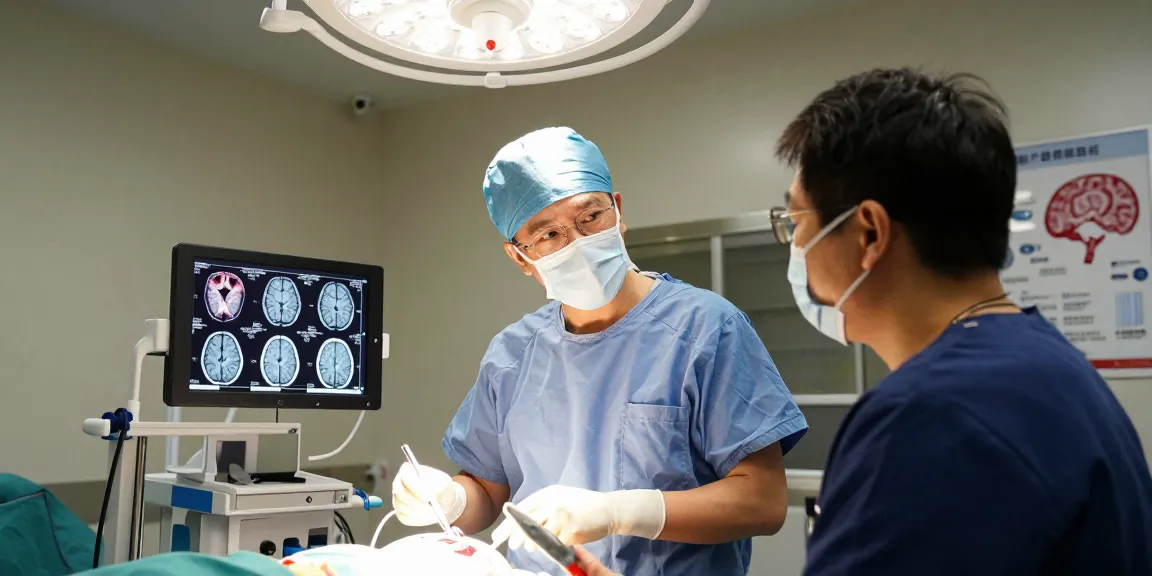
Understanding Beyin Ameliyatı
Beyin ameliyatı, crucial for treating various neurological conditions, demands thorough knowledge and preparation. Whether it's due to brain tumors, traumatic brain injuries, or vascular abnormalities, understanding the intricacies of brain surgery can significantly influence patient outcomes. When exploring options, Beyin ameliyatı provides comprehensive insights into the procedures, risks, and recovery involved.
What is Beyin Ameliyatı?
Beyin ameliyatı, or brain surgery, encompasses a range of surgical procedures aimed at treating various conditions affecting the brain and its surrounding structures. This includes the removal of tumors, relieving pressure from bleeding, and addressing congenital or acquired defects. The complexity of brain surgery often requires a multidisciplinary approach, integrating advanced imaging techniques and surgical innovations.
Types of Brain Surgery Procedures
Brain surgery is not a one-size-fits-all approach; several types target specific conditions:
- Craniotomy: A common procedure involving the removal of a portion of the skull to access the brain. This method is frequently utilized for tumor removals and brain injuries.
- Awake craniotomy (Uyanık Beyin Ameliyatı): Performed while the patient is awake, this technique allows surgeons to monitor brain function in real-time, minimizing the risk of damage to vital areas responsible for speech and movement.
- Endoscopic surgery: A minimally invasive technique that uses a small camera and instruments inserted through tiny incisions, ideal for certain tumors located in hard-to-reach areas.
- Deep brain stimulation: A neuromodulation approach for treating conditions like Parkinson's disease by delivering electrical impulses to specific brain regions.
The Anatomy and Conditions Treated
The brain's anatomy is complex, comprising various structures that serve different functions. Conditions treated through brain surgery include:
- Brain tumors: Abnormal growths in the brain, which can be malignant or benign.
- Subdural and epidural hematomas: Accumulations of blood that can create pressure on the brain following trauma.
- Aneurysms: Bulges in blood vessels that can rupture, leading to serious complications.
- Seizure disorders: Persistent seizures not responsive to medication may require surgical intervention.
Preparing for Beyin Ameliyatı
Preparation for brain surgery is crucial and involves several steps to ensure patient safety and optimal outcomes.
Pre-Surgical Assessments and Tests
Before surgery, a thorough evaluation is necessary. This typically includes:
- Comprehensive neurological examinations.
- Advanced imaging techniques like MRI or CT scans to assess the condition of the brain.
- Blood tests to check for any underlying health issues that may complicate surgery.
Patient Education and Informed Consent
Understanding the procedure, risks, and benefits is vital. Patients should engage in discussions with their healthcare providers to clarify any uncertainties. Informed consent ensures that patients are aware of what the surgery entails and the expected outcomes.
Overcoming Fear and Anxiety
It's natural to feel anxious about undergoing brain surgery. Techniques such as counseling, support groups, and relaxation exercises can help mitigate these feelings, ensuring patients approach their surgery with a clearer mindset.
The Surgery Process: What to Expect
Being informed about what to expect during the surgery can ease anxiety and prepare patients for the experience.
Step-by-Step Surgical Procedure
The surgical procedure can vary significantly based on the type of surgery being performed, but it generally follows these steps:
- Anesthesia: Patients are given anesthesia to ensure comfort during the procedure. This could be general or local, depending on the surgery type.
- Surgical access: The surgeon makes an incision and opens the skull (if needed) to access the brain.
- Performing the surgery: The surgical team addresses the specific condition, such as removing a tumor or repairing a blood vessel.
- Closure: After completing the procedure, the surgeon closes the incision, and the patient is moved to recovery.
Common Techniques Used in Neurosurgery
Neurosurgeons utilize various techniques tailored to the specific condition, which may include:
- Microsurgery: Utilizes an operating microscope for precision, especially in delicate areas.
- Neuroendoscopy: A minimally invasive technique that reduces recovery time and hospital stay.
- Robotic assistance: Enhances precision in surgeries and minimizes risks.
Risks and Complications to Consider
As with any surgery, brain surgery carries risks, including:
- Infection at the surgical site.
- Neurological deficits or complications such as speech or movement difficulties.
- Bleeding and blood clots.
- Reactions to anesthesia.
Post-Operative Care and Recovery
The recovery process is just as critical as the surgery itself, requiring careful monitoring and support.
Immediate Post-Surgery Care
After surgery, patients are typically monitored in a recovery unit for signs of complications. Key aspects include:
- Managing pain and discomfort with medications.
- Monitoring neurological status to detect any emerging issues promptly.
- Ensuring proper hydration and nutrition during the initial recovery phase.
Long-Term Recovery: What Patients Should Know
Recovery from brain surgery varies depending on the individual and the complexity of the procedure. Here are some points to consider:
- Patients may experience fatigue, headaches, or cognitive changes post-surgery, which often improve over time.
- Regular follow-ups with healthcare providers are essential to monitor progress and address any ongoing issues.
- Support from family and friends can significantly aid in the emotional and psychological aspects of recovery.
Rehabilitation and Support Resources
Comprehensive rehabilitation services, including physical, occupational, and speech therapy, may be necessary to regain lost functions and adapt to any changes in abilities. Support groups also provide valuable emotional support for patients and their families during recovery.
Cost of Beyin Ameliyatı and Insurance Options
The financial aspects of brain surgery can significantly impact patient decisions and planning.
Factors Influencing the Cost
Several factors affect the cost of brain surgery, including:
- The type of procedure and its complexity.
- Hospital location and facility fees.
- Duration of hospital stay and any required follow-up care.
Understanding Insurance Coverage
It's vital to understand how insurance coverage applies to brain surgery. Patients should review their policy details to clarify covered services and potential out-of-pocket costs.
Financial Planning for Surgery
Consulting with the hospital’s financial department can help patients understand their payment options. For more information, Beyin ameliyatı offers valuable insights. Additionally, exploring financing options may also be beneficial in managing expenses.
What are the common FAQs about Beyin Ameliyatı?
- How long does recovery take? Recovery times can vary significantly based on the procedure and individual health factors.
- What are the risks involved? Risks may include neurological deficits, infection, and complications related to anesthesia.
- How can I prepare for my upcoming surgery? Engaging with your healthcare team, understanding the procedure, and managing anxiety are key preparation steps.
- What should I expect after returning home? Patients may experience fatigue and require assistance during the initial recovery phase.
- Are there advancements in Beyin Ameliyatı technology? Yes, technological advancements continue to improve surgical outcomes and patient safety.