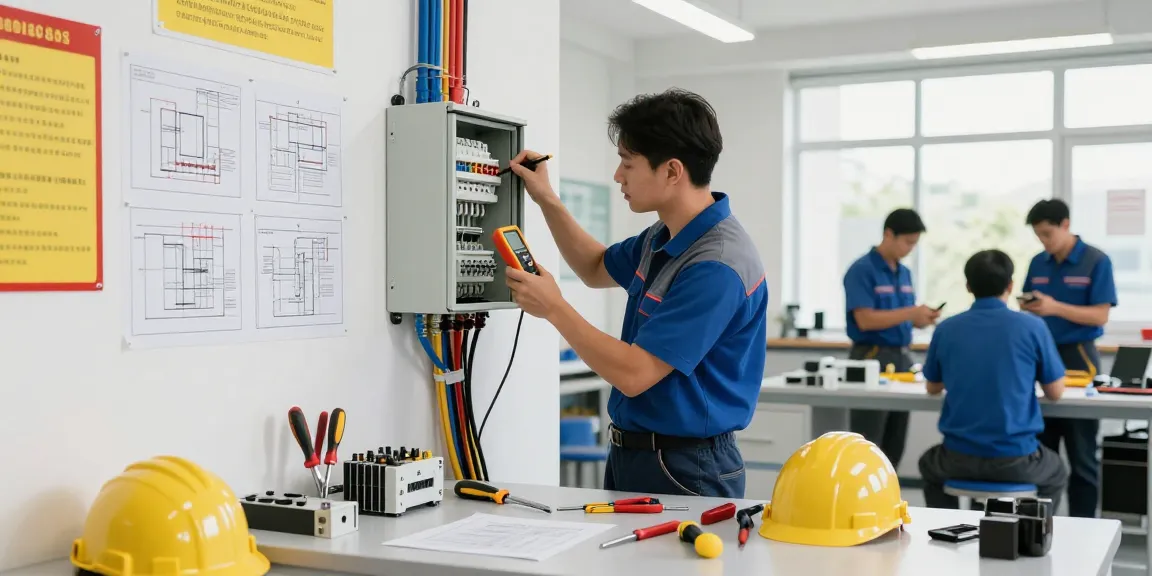
Understanding the Importance of Certification in Electrical Work
When it comes to electrical work, the stakes are high. Poorly executed electrical jobs can lead to fires, electrical shocks, and significant financial loss. Therefore, selecting the right professional is crucial. One of the most reliable indicators of an electrician’s competency and reliability is certification. Understanding the nuances of this certification can assist homeowners and businesses alike in making informed decisions. In this journey of choosing a certified electrical professional, the benefits and implications of hiring certified electricians can become clear. Whether you are looking for minor electrical repairs or major installations, certification plays a key role in ensuring quality work.
What Does Being Certified Mean for Electricians?
Certification signifies that an electrician has received the necessary training and education, passed specific tests, and adheres to industry standards. In most regions, becoming certified involves completing an accredited apprenticeship program, which combines both hands-on training and classroom instruction. Certified electricians also must regularly update their knowledge to keep pace with technological advancements and changes in electrical codes, ensuring they are current with best practices and safety protocols.
Key Benefits of Hiring a Certified Electrical Professional
Hiring a certified electrician comes with numerous benefits. Firstly, safety is paramount. Certified professionals are trained to identify potential hazards and mitigate risks associated with electrical work. Secondly, their expertise ensures that installations and repairs comply with local building codes, which can save money in the long run by avoiding fines or expensive rewiring costs. Additionally, certified electricians typically provide warranties for their work, giving clients peace of mind and protection against future issues.
Common Misconceptions About Electrical Certifications
Despite the many benefits, there are common misconceptions surrounding electrical certifications. One prevalent belief is that all electricians are equally qualified regardless of their certification status. In reality, certification indicates a higher level of training and commitment to the profession. Another myth is that hiring a non-certified electrician is a cost-saving measure. While the initial costs may seem lower, the risk of poor workmanship can lead to greater expenses down the line, making certification a worthwhile investment.
How to Identify a Qualified Certified Electrical Professional
Finding a qualified certified electrician requires diligence and research. Not all certifications are created equal; thus, understanding the credentials specific to your region is essential. Start by checking local licensing boards to verify the electrician’s certification and ensure it is current. Additionally, reputable electricians will typically display their certifications proudly in their marketing materials or on their websites.
Key Credentials and Qualifications to Look For
When assessing potential electricians, consider their credentials. Many professionals will have a license, which usually requires them to pass a comprehensive examination. Other qualifications to look for include specialized training in areas such as residential, commercial, or industrial electrical work. Certifications from recognized organizations, like the National Electrical Contractors Association (NECA) or the International Brotherhood of Electrical Workers (IBEW), can also provide insight into their expertise.
Interview Questions to Assess Electrical Expertise
To gauge the competence of an electrician, conducting interviews can be highly beneficial. Consider asking about their education and training background, the types of projects they have completed, and their experience with specific electrical systems. You may also want to inquire about their understanding of local codes and regulations. A knowledgeable electrician should be able to answer these questions confidently and provide examples of their past work.
Checking References and Previous Work
Checking references is an essential step in the hiring process. Reach out to previous clients to ask about their experiences with the electrician, focusing on reliability, workmanship, and professionalism. Looking at a portfolio of past work can also provide insights into the electrician’s capabilities and style. This step allows you to verify claims and ensure you are making an informed choice.
Evaluating Experience and Specializations
The electrical field is vast, with numerous specializations available. It’s important to choose a professional whose expertise aligns with your specific needs. Understanding different areas of electrical expertise can guide you in your selection process.
Understanding Different Areas of Electrical Expertise
Electricians often specialize in certain fields, such as residential, commercial, or industrial electrical work. Residential electricians focus primarily on home installations and repairs, while commercial electricians deal with larger-scale projects in business settings. Industrial electricians work in manufacturing and production environments, dealing with complex machinery and systems. Identifying the right specialization for your project can lead to a more efficient and effective outcome.
How Experience Levels Affect Quality of Work
Experience is another critical factor when considering an electrician. Generally, the more years of experience an electrician has, the better they understand the intricacies of various systems. Experienced electricians are also more adept at troubleshooting issues and can provide faster and more effective solutions. Be wary of hiring someone with minimal experience for complex jobs; it is often wise to choose a professional who has proven their skills through years of successful work.
Specialized Services: When to Choose an Expert
In some situations, you may need an electrician with specialized knowledge, such as in smart home technologies or renewable energy systems like solar panels. When looking for expertise in these areas, ensure that the electrician has the appropriate certifications in addition to their general electrical qualifications. Specialized electricians are typically more knowledgeable about the latest technologies and best practices, ensuring top-notch service.
Best Practices for Hiring and Working with Electrical Professionals
Once you’ve identified a few potential candidates, you’ll want to ensure a smooth process throughout your project. Understanding best practices for communication and collaboration can improve the experience significantly.
Preparation: What Information to Provide Your Electrician
Prior to the commencement of any electrical work, gather all necessary information to share with the electrician. Details such as your budget, project timeline, and specific electrical needs will help the professional provide accurate estimates and set realistic expectations. Clear communication from the outset fosters trust and collaboration.
Ensuring Safety and Compliance During Electrical Work
Safety and compliance should always be the top priority when dealing with electrical work. Ensure that the electrician adheres to all safety protocols and complies with local electrical codes. This not only protects you and your property but also safeguards the electrician during the job. Regular updates and inspections throughout the project will help maintain this responsibility.
Building Long-Term Relationships with Professionals
Establishing a good rapport with your electrician can be beneficial for future projects. A trustworthy professional who understands your preferences can save time and money in subsequent electrical work. Consider maintaining a relationship by having regular check-ups on your electrical systems, which can prevent small issues from developing into larger problems.
Future Trends in Electrical Services and Certifications
The electrical industry is continuously evolving, driven by advancements in technology and changing consumer demands. Staying informed on emerging trends can help you adapt and make smarter choices regarding your electrical needs.
Emerging Technologies in Electrical Installation
Smart home technologies are rapidly becoming mainstream, with many homeowners opting for smart lighting, heating, and security systems. This trend necessitates electricians who are trained in installing and servicing these modern solutions. Keeping abreast of technology developments is essential for electricians to remain competitive in the market.
The Role of Sustainable Practices in Electrical Work
As sustainability becomes a priority across industries, electricians are increasingly called upon to implement energy-efficient solutions. This might include the installation of solar panels, energy-efficient lighting, and systems designed to reduce electrical consumption. Professionals mindful of sustainable practices will not only meet current demands but also attract clients looking to improve their environmental footprint.
Predictions for the Electrical Industry by 2026
Looking forward, we can expect significant shifts in the electrical industry by 2026. As advancements in technology continue to influence standards and regulations, certified electricians will need to adapt to these changes. Moreover, the demand for certified electrical professionals is likely to rise as more individuals and businesses recognize the importance of skilled labor in enhancing safety and performance. This will create a competitive landscape where certifications will become increasingly valuable assets for professionals in the field.
What are the benefits of hiring a certified electrical professional?
Hiring a certified electrical professional ensures safety, compliance with regulations, and high-quality work. Certified electricians are trained to handle complex issues and can provide warranties for their services, granting peace of mind to homeowners.
How can I check if an electrician is certified?
You can verify an electrician’s certification by checking with local licensing authorities or regulatory bodies. Many regions also have online directories where you can confirm the status and qualifications of electricians.
What should I expect during an electrical inspection?
During an electrical inspection, you can expect the electrician to examine wiring, circuit breakers, and outlets. They will assess compliance with safety standards and identify any potential hazards, providing you with a detailed report of their findings.
How do I find a certified electrician in my area?
To find a certified electrician in your area, consider asking for recommendations from friends and family or searching online directories. Local trade organizations can also be a valuable resource for finding reputable professionals.
What are the costs associated with hiring a certified electrical professional?
The costs of hiring a certified electrical professional can vary based on the complexity of the job, the electrician’s experience, and regional pricing standards. Typical rates may range from hourly fees to project-based estimates, so it is advisable to get multiple quotes before making a decision.