The Role of Architectural Model Makers in Europe Today
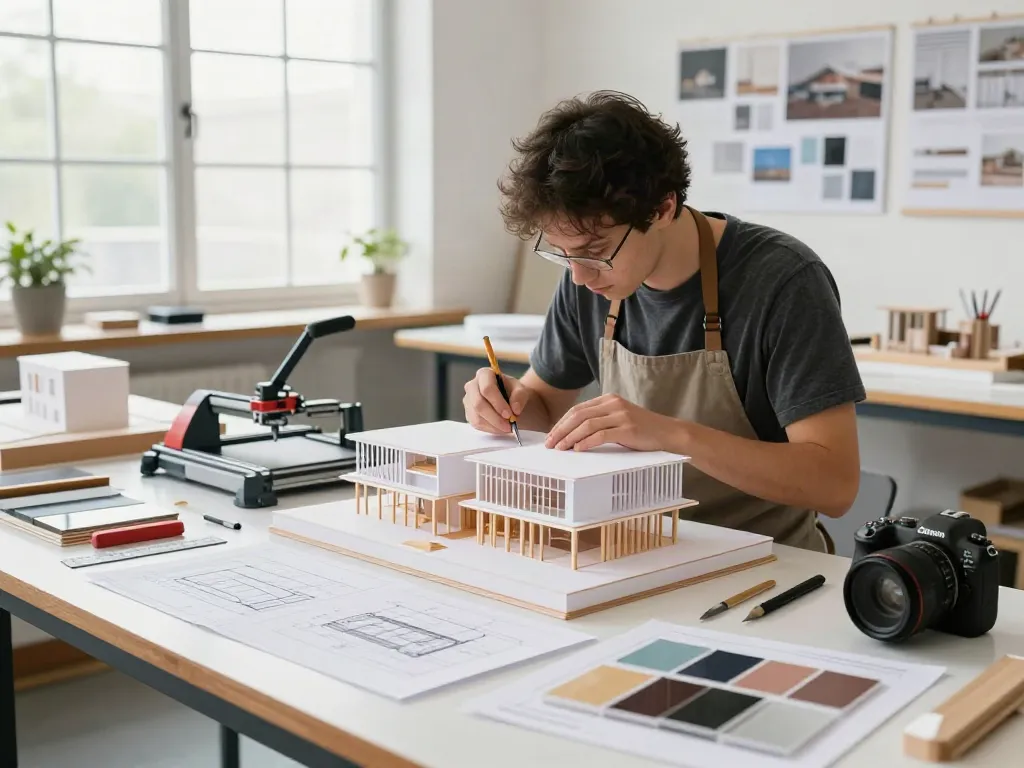
In the evolving landscape of architecture, the role of architectural model makers is becoming increasingly significant. As the industry embraces a fusion of creativity and technology, these professionals not only produce scale representations of projects but also become integral partners in the design process. They transform abstract concepts into tangible realities, enabling architects, developers, and marketers to visualize their ideas effectively. When exploring options, Architectural model maker Europe offers comprehensive insights into the services available across the continent.
Defining Architectural Model Makers
Architectural model makers are skilled artisans who specialize in creating physical representations of architectural designs, ranging from intricate models used for presentations to simplified versions aimed at community engagement. Their work involves understanding the nuances of architecture, including materiality, structure, and spatial relationships, to create models that are not only precise but also aesthetically appealing. This profession encompasses various scales, from large urban planning models that illustrate city landscapes to smaller presentation models that aid in client consultations.
Importance of Model Making in Modern Architecture
The significance of model making in contemporary architecture cannot be overstated. It serves multiple purposes, such as:
- Communication: Models provide a universal language for discussing complex ideas, bridging the gap between technical jargon and public understanding.
- Visualization: They allow stakeholders to visualize the project's final outcome, facilitating informed decision-making during the design process.
- Marketing: In a competitive real estate market, well-crafted models enhance presentations, making projects more attractive to potential buyers and investors.
Key Services Offered by Architectural Model Makers
Architectural model makers offer a myriad of services tailored to meet the diverse needs of their clients. These include:
- Custom Models: Bespoke creations that reflect the unique aspects of each project, from concept to completion.
- Restoration Services: Revitalizing older models to maintain their relevance and appearance in current presentations.
- Rapid Prototyping: Using advanced technologies like 3D printing to accelerate the model-making process for quicker turnarounds.
- Environmental Models: Creating context for designs by depicting surrounding landscapes and urban elements.
Types of Architectural Models
Presentation Models for Marketing Purposes
Presentation models play a pivotal role in marketing architectural projects. These models are meticulously crafted to showcase designs at various scales, typically ranging from 1:50 to 1:200. They emphasize key design features and allow potential clients to engage with the project visually. By providing a realistic representation of the finished product, presentation models are invaluable tools in sales pitches and investor meetings.
Competition Models and Their Significance
Competition models are specifically designed to meet the rigorous standards of architectural competitions. They must not only represent the proposed design accurately but also convey the architect's vision convincingly to the jury. Success in these competitions often hinges on the model’s ability to communicate complex ideas through clear and impactful visual representation.
Urban Planning Models for Community Visualization
Urban planning models hold great importance in the public consultation process. These models provide citizens and stakeholders with a visual understanding of proposed developments in their communities. By showcasing the implications of new projects on existing landscapes, urban planning models facilitate informed discussions and foster community engagement.
Technology in Architectural Model Making
How 3D Printing is Revolutionizing Model Production
3D printing has become a game-changer in the field of architectural model making. This technology allows for the rapid production of highly detailed models, significantly reducing lead times. Furthermore, 3D printing enables intricate designs that were previously challenging to achieve with traditional methods. As the technology continues to evolve, architectural model makers are increasingly leveraging it to enhance precision and creativity in their work.
Innovative Materials Used in Model Making
The materials chosen for model making profoundly affect the final product's quality and appearance. Some innovative materials currently used include:
- Acrylic and Plexiglass: Ideal for modern architectural models due to their clarity and style.
- Rigid Foam: Lightweight and versatile, suitable for large-scale models.
- Composite Materials: Combining different materials to achieve durability and aesthetic appeal.
Future Trends in Architectural Modeling Technologies
The future of architectural modeling will likely see further integration of digital technologies. Innovations such as augmented reality (AR) and virtual reality (VR) are expected to enhance the model presentation experience. Designers will increasingly utilize these technologies to offer immersive experiences that allow clients to interact with models in a three-dimensional space, thus improving understanding and engagement.
Choosing the Right Architectural Model Maker
Evaluating Expertise and Experience
When selecting an architectural model maker, it is crucial to assess their expertise and experience in the field. Look for a portfolio that showcases a range of projects across various scales and complexities. Experience with specific types of models relevant to your project can also be a determining factor in ensuring successful outcomes.
Understanding Cost Structures and Budgeting
Cost is a significant consideration in architectural model making. It is essential to understand the pricing structure, which typically depends on factors such as materials used, scale, and complexity of the design. Discussing budgets upfront can help avoid surprises and ensure alignment between expectations and deliverables.
Assessing Client Testimonials and Project Portfolios
Client testimonials and project portfolios provide insight into the quality of work and the level of service offered by model makers. Prioritize makers with positive feedback from past clients, indicating reliability and satisfaction with the results.
Challenges in Architectural Model Making
Common Misconceptions About Model Making
Many misconceptions about model making can hinder effective collaboration between architects and model makers. For instance, some may view model making as a simple task, underestimating the time, skill, and technological resources required to produce quality models. Educating stakeholders about the complexities involved can lead to more productive partnerships.
Addressing Quality Control and Precision Issues
Quality control is critical in architectural model making. Issues such as misalignment or material defects can significantly impact the integrity of a model. Implementing rigorous quality checks throughout production is essential to mitigate these risks and maintain high standards.
Logistical Challenges in Large Scale Projects
Large scale projects often come with logistical challenges, such as coordinating timelines, managing resources, and ensuring effective communication among teams. These challenges necessitate strong project management skills and clear communication channels to ensure successful completion.
What are the key benefits of hiring an architectural model maker?
Hiring an architectural model maker brings several advantages, including expertise in creating precise, high-quality models, saving time on model production, and enhancing project presentation for stakeholders. They provide invaluable insights that can lead to better design decisions and improved communication.
How long does it take to produce an architectural model?
The production timeline for architectural models can vary widely based on complexity, size, and materials used. Generally, it can take anywhere from a few weeks to several months. Manufacturers often provide expedited services for urgent projects, but this may come at an additional cost.
What materials are commonly used in architectural model making?
Common materials include cardboard, wood, acrylic, foam, and metal. The choice of material is influenced by the model's purpose, desired level of detail, and budget constraints.
Why are competition models important for architects?
Competition models serve as essential tools in architectural competitions, providing a physical representation of ideas that can influence juror decisions. A well-crafted model can significantly impact the perception of a design and its chances of success.
How does 3D printing change architectural modeling?
3D printing revolutionizes architectural modeling by enabling rapid prototyping, enhancing design precision, and allowing for the creation of complex geometries that were previously unattainable. This technology streamlines workflows and opens new avenues for creativity in model making.