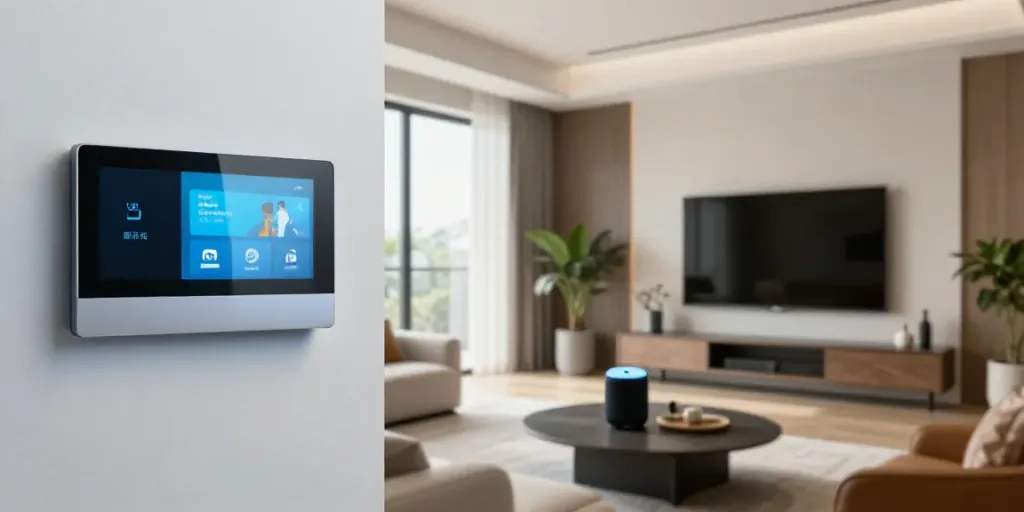
Understanding Smart Homes and Their Benefits
The concept of smart homes has evolved significantly in recent years, transforming traditional living spaces into sophisticated environments where technology seamlessly integrates with daily life. As homeowners seek more convenience, efficiency, and security, the demand for smart home solutions is on the rise. One leading provider in this space is خانه هوشمند جهان اسمارت, which specializes in home automation and smart technology integration. This article explores the definition of smart homes, their key benefits, and how they can enhance everyday living.
What is a Smart Home?
A smart home is defined as a residence equipped with devices that can be controlled remotely via the internet. These devices can include anything from lighting and security systems to appliances and thermostats. The integration of the Internet of Things (IoT) allows homeowners to manage these systems through a central platform, usually accessed via a smartphone app or voice-controlled assistant.
Key Benefits of Smart Home Technology
- Increased Convenience: Smart devices can automate daily tasks, such as adjusting the thermostat or turning on lights, allowing for effortless management of home environments.
- Enhanced Security: Smart security cameras, motion detectors, and locks can be monitored remotely, providing peace of mind and real-time alerts for any unusual activity.
- Energy Efficiency: Smart homes enable homeowners to track and optimize their energy consumption, leading to potential savings on utility bills.
- Accessibility: Smart technology can assist individuals with disabilities by providing easier control over their environment.
How Smart Homes Enhance Daily Life
Smart home technology enhances daily life by improving comfort and efficiency. For instance, automated lighting can adjust according to time of day or occupancy, while smart thermostats learn your preferences and optimize heating and cooling accordingly. Such advancements not only create a more pleasant living experience but also contribute to reduced energy waste.
Key Features of خانه هوشمند جهان اسمارت
Smart Lighting Solutions
One of the standout features of خانه هوشمند جهان اسمارت is their innovative smart lighting solutions. Homeowners can control lighting remotely, set schedules, and even create moods with customizable color options. This level of control helps in energy conservation and enhances the aesthetic appeal of the home.
Automated Security Systems
Security is paramount in any home, and smart technology has revolutionized the way homeowners protect their spaces. Automated security systems include smart locks, surveillance cameras, and alarm systems that can be managed via mobile applications, ensuring homes remain secure whether occupants are present or not.
Energy Management Solutions
Energy management is crucial not only for reducing bills but also for promoting sustainable living. Smart energy solutions provided by خانه هوشمند جهان اسمارت help homeowners monitor their energy usage in real-time. This insight allows for informed decisions on energy consumption, contributing to lower overall energy costs and a reduced carbon footprint.
Implementation Process of Smart Homes
Steps to Transform Your Home
Transforming your home into a smart home requires careful planning and execution. The process generally involves:
- Assessment: Evaluate existing infrastructure and identify areas that can benefit from automation.
- Planning: Create a plan that details the devices and systems to be integrated, ensuring compatibility between technologies.
- Installation: Engage professionals or utilize DIY methods for device installation and configuration.
- Testing: Test all systems to ensure they function as intended and integrate seamlessly with existing devices.
Choosing the Right Smart Devices
When selecting smart devices, consider factors such as compatibility, ease of use, and the specific needs of your household. Popular devices include smart speakers, security cameras, and energy-efficient appliances. It is essential to choose products that align with your lifestyle and technological preferences.
Common Challenges During Implementation
While the benefits of smart homes are clear, homeowners may encounter several challenges during implementation. These can include:
- Compatibility issues between different brands and devices.
- Complexity in installation, particularly for those not well-versed in technology.
- Concerns over privacy and data security with connected devices.
Real-World Applications and Case Studies
Success Stories from Homeowners
Many homeowners have successfully transformed their living spaces into smart homes, enjoying the convenience and efficiency that come with it. For example, one family installed a smart thermostat that adapted to their schedule, reducing energy costs by up to 30%. Similarly, another homeowner utilized smart security systems to receive instant alerts, enhancing their peace of mind.
Comparative Analysis of Smart Home Systems
When comparing smart home systems, it is crucial to consider factors such as ease of use, compatibility with other devices, and the range of features offered. Leading systems often provide more comprehensive solutions, integrating security, lighting, and energy management into a single platform.
Innovative Uses of Smart Technology
Beyond conventional applications, homeowners are finding innovative ways to utilize smart technology. For instance, automated window treatments can adjust based on ambient light, while smart refrigerators keep track of inventory and suggest recipes based on available ingredients. These features not only enhance comfort but also promote a more sustainable lifestyle.
Future Trends in Smart Home Technology
Predictions for 2026 and Beyond
The future of smart home technology is poised for exciting developments. By 2026, we can expect to see even greater integration of artificial intelligence (AI) to create more intuitive and responsive smart homes. This may include devices that learn from user habits and preferences to further automate processes.
Emerging Technologies in Home Automation
As technology evolves, new solutions will emerge. Innovations such as 5G networks promise to enhance connectivity between devices, leading to faster response times and more reliable performance. Additionally, advancements in voice recognition and machine learning will allow for more natural interactions with smart devices.
How to Stay Ahead in Smart Living
To stay ahead in the smart living trend, homeowners should continuously research emerging technologies and trends in home automation. Engaging with expert services like خانه هوشمند جهان اسمارت can provide valuable insights and help you make informed decisions about the best products and systems to implement in your home.
What are the initial costs of smart home setup?
The initial costs of setting up a smart home can vary widely depending on the types of devices and systems chosen. Basic setups may start at a few hundred dollars, while comprehensive installations can reach several thousand. It is essential to budget according to your specific needs and desired level of automation.
How do smart home devices improve security?
Smart home devices enhance security through features such as real-time monitoring, remote access, and alerts for suspicious activity. Homeowners can receive notifications on their smartphones, ensuring they are always aware of their home’s security status, whether they are nearby or away.
Can I upgrade my current home to a smart home?
Yes, upgrading to a smart home is feasible for many homeowners. Starting with a few key devices and gradually integrating more systems is a practical approach. Focus on devices that will provide the most immediate benefits to your lifestyle and comfort.
What are the best smart home products available today?
Some of the best smart home products available today include smart speakers, home security systems, and energy-efficient appliances. Brands such as Amazon, Google, and Samsung offer a wide range of reliable devices that can be easily integrated into most homes.
How do smart homes contribute to energy savings?
Smart homes contribute to energy savings by optimizing the use of heating, cooling, and lighting based on occupancy and preference patterns. By using smart thermostats, lighting systems, and energy-efficient appliances, homeowners can significantly reduce their energy consumption and lower utility bills.