
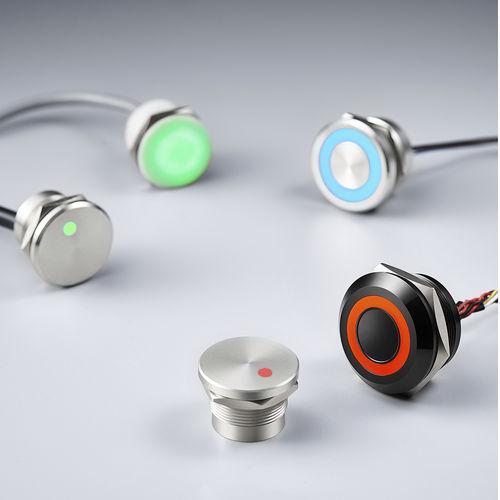
As industries continue to embrace automation and digital transformation, human-machine interfaces (HMIs) are becoming increasingly important. These interfaces allow operators to communicate with equipment, control processes, and monitor system performance. To meet the demands of modern industries, manufacturers are adopting advanced technologies that improve usability, reliability, and efficiency.
One technology that is gaining significant attention is the Capacitive switch Unlike traditional mechanical switches, capacitive switches use touch-sensitive technology to detect user input without requiring physical movement. Their modern design and reliable performance make them a valuable component in next-generation human-machine interfaces. In many industrial systems, capacitive switches operate alongside components such as the dc circuit breaker to support safe and efficient operation.
The Evolution of Human-Machine Interfaces
Industrial control systems have evolved significantly over the years. Traditional interfaces relied heavily on mechanical buttons and switches to perform equipment functions. While effective, these solutions may experience wear and require maintenance after extended use.
Modern industries are increasingly seeking control solutions that offer greater durability, improved responsiveness, and enhanced user experience. Capacitive switch technology addresses these needs by providing a touch-based interface that supports both functionality and modern equipment design.
As automation systems become more advanced, capacitive technology is expected to play an even greater role in future HMI development.
Benefits of Capacitive Switch Technology
Improved User Experience
Capacitive switches provide a smooth and responsive touch interface. Operators can interact with equipment quickly and efficiently, helping improve overall usability.
Enhanced Durability
Because capacitive switches have no moving mechanical parts, they experience less wear over time. This contributes to longer service life and reduced maintenance requirements.
Modern Equipment Design
Manufacturers often choose capacitive switches because they support sleek and contemporary control panel designs. Their clean appearance complements modern industrial equipment.
Easy Cleaning and Maintenance
The flat surface of a Capacitive switch makes it easy to clean, making it suitable for environments where hygiene and cleanliness are important.
Reliable Performance
Capacitive switches provide consistent touch detection and dependable operation, supporting efficient system performance in a wide range of applications.
Common Applications
Capacitive switch technology is used in numerous industrial and commercial environments, including:
● Industrial automation systems● Manufacturing equipment● Medical devices● Transportation systems● Access control equipment● Self-service kiosks● Building management systems● Consumer electronics
Many of these applications also utilize a dc circuit breaker to protect electrical systems and maintain operational safety.
Choosing the Right Interface Solution
When selecting an HMI technology, organizations should evaluate factors such as durability, environmental conditions, maintenance requirements, and user experience. The chosen solution should support both operational efficiency and long-term reliability.
Capacitive switch technology offers an effective combination of modern design, ease of use, and dependable performance. These advantages make it a practical choice for organizations seeking advanced interface solutions.
Conclusion
As industries continue to adopt smarter and more connected technologies, the future of human-machine interfaces will increasingly rely on innovative solutions. The Capacitive switch is helping drive this transformation by providing a reliable, user-friendly, and durable alternative to traditional control methods.
Whether integrated into advanced automation systems or used alongside a dc circuit breaker for safe electrical operation, capacitive switch technology is shaping the next generation of industrial interfaces. Its growing adoption highlights its importance in the future of modern equipment design and operation.