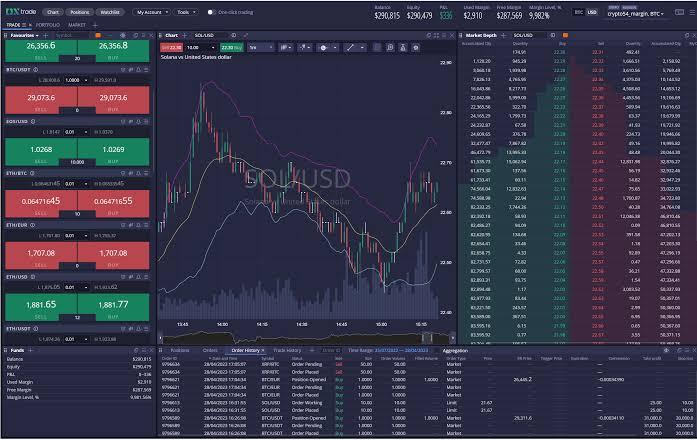
Understanding the Basics of 指数API Technology
As the world of finance rapidly evolves, blockchain technology emerges as a cornerstone of innovation within the fintech landscape. The rise of decentralized finance (DeFi) and the adoption of cryptocurrency solutions necessitate robust data services, such as 指数API. This technology provides developers, trading platforms, and research institutions with access to real-time financial data critical for informed decision-making in an increasingly complex market. As we explore the foundations of the指数API technology, we will uncover its significance in trading, security protocols, and regulatory challenges.
What is 指数API and Its Importance in Trading
指数API serves as a gateway for financial data, delivering a broad spectrum of indices relevant to equities, commodities, and volatility markets. By integrating such APIs, traders gain a distinct advantage through timely access to comprehensive market insights, which enhances their analytical capabilities. This data is essential for formulating trading strategies, enabling quantitative analyses, and maintaining a real-time edge in a fast-paced market.
Key Features of Real-Time Financial Indices
- Real-Time Updates: Instantaneous data feeds allow users to track market movements as they happen.
- Historical Data Access: Extensive historical data aids in trend analysis and backtesting trading strategies.
- Constituent Information: Detailed insights into index constituents enable traders to understand the components driving index performance.
- Flexible Data Delivery: Options for both WebSocket and RESTful connections afford flexibility based on user needs and application designs.
How Data Depth Can Enhance Trading Strategies
A depth of data can significantly influence trading decisions, especially for sophisticated strategies reliant on historical performance. Traders can utilize this data to perform comprehensive technical analyses, identifying patterns and signals that inform buy and sell decisions. Moreover, the richness of this information allows for the development of unique indicators tailored to individual trading preferences.
Secure Your Crypto Activities
As the cryptocurrency space grows, security remains paramount. Trading and investment in digital assets inherently carry risks, thus requiring proactive measures for safeguarding assets. Utilization of an API, like 指数API, should always be accompanied by stringent security protocols to mitigate vulnerabilities.
Setting Up a High-Security Wallet for Your Assets
Storing cryptocurrencies requires awareness of wallet types. Hardware wallets, such as Ledger or Trezor, offer enhanced security for long-term holdings, while software wallets provide easier access for frequent transactions. Implementing a high-security wallet strategy can safeguard user assets against unauthorized access.
Understanding Private Key Management Best Practices
Private keys are the gateway to accessing cryptocurrency holdings. Proper management practices, including using secure password managers and maintaining backup copies, are vital. Users should avoid sharing private keys and be cautious about phishing schemes targeting vulnerable wallets.
Common Security Threats and How to Avoid Them
- Phishing Attacks: Users should verify website authenticity before entering sensitive information.
- Sim Swap Attacks: Two-factor authentication (2FA) using hardware tokens can prevent unauthorized access.
- Rug Pulls: Community reputation checks and audit verifications through established platforms can mitigate this risk.
Effective Cryptocurrency Trading Strategies
Navigating the cryptocurrency market requires informed strategies grounded in both technical and fundamental analysis. These methods enhance traders' ability to make sound investment decisions based on prevailing market conditions.
Technical Analysis Methods for New Traders
New traders benefit from learning technical indicators such as Relative Strength Index (RSI) and Moving Averages (MA). These tools facilitate the identification of entry and exit points and support the execution of trades based on meaningful data patterns. Understanding how to leverage these indicators in conjunction with data from the 指数API can enhance trading effectiveness.
Utilizing Data from 指数API in Trading Decisions
Through accessing real-time and historical data, traders can construct informed strategies that align with market trends. The ability to analyze data depth contributes to robust risk management and the anticipation of market movements, essential for capitalizing on investment opportunities.
Understanding Market Signals and Trading Indicators
Recognizing market signals is crucial for a successful trading experience. Indicators like MACD (Moving Average Convergence Divergence) showcase momentum shifts, while volume data highlights trends in supply and demand. Successfully interpreting these signals can significantly alter trading outcomes.
Exploring Decentralized Finance (DeFi) Solutions
DeFi represents a transformative approach to traditional financial practices. Utilizing technology such as the 指数API, developers can bridge novel solutions with established trading mechanisms, improving accessibility and lowering barriers.
How to Integrate 指数API into DeFi Applications
Integration of the 指数API within decentralized applications (dApps) can unlock unprecedented access to market data and insights. Developers can create applications that provide users with analytics tools driven by real-time data streams, catering specifically to the needs of the DeFi community.
Yield Farming and Staking Opportunities with Indices
Yield farming enables users to earn rewards for providing liquidity in DeFi platforms. By leveraging 指数API data, participants can engage in more informed farming strategies, assessing which indices or tokens present the highest yield potential while considering their risk appetite.
Risk Management Strategies in DeFi Protocols
Effective risk management in the DeFi ecosystem is vital. Evaluating smart contracts for security through audits, diversification of liquidity pools, and employing strategies for impermanent loss mitigation can protect user investments.
Regulatory Landscape and Compliance in 2026
The rapidly evolving nature of the cryptocurrency market necessitates awareness of regulatory frameworks influencing trading activities. Traders must stay informed about the implications of regulations affecting their investments and the technologies they use.
Understanding Crypto Regulations Affecting Traders
As cryptocurrencies gain traction, regulations surrounding their use are increasingly stringent. Adhering to standards set forth by regulatory bodies such as the SEC and CFTC is crucial, particularly in areas of securities classification and derivatives oversight.
Tax Implications of Using 指数API and Crypto Trading
Traders must consider the tax implications of their transactions, especially as cryptocurrencies are often subject to capital gains taxes. Engaging with accounting professionals familiar with cryptocurrency regulations can further assist users in navigating this complex landscape.
The Future of Compliance and Security in Crypto
Looking toward the future, compliance and security measures are likely to evolve alongside technological advancements. Increasing involvement from regulatory agencies suggests a movement toward more defined protocols for data protection and operational integrity within the crypto space.
Security Threats & Risk Management
As digital assets continue to proliferate, awareness of security threats grows imperative. Implementing strategic measures can protect users against many of these risks.
Common Security Threats
- Phishing Attacks: A prevalent method targeting unsuspecting users by masquerading as legitimate entities.
- Malware: Software designed to exploit computer systems and steal information.
- 51% Attacks: Target smaller blockchains, where control over a majority of the network allows the perpetrator to manipulate transactions.
Provide Risk Mitigation Strategies
- Engage in Due Diligence: Research projects and their teams thoroughly before investments.
- Utilize Warning Protocols: Maintain vigilance for red flags throughout token purchases and trading.
- Consider Gradual Investments: Employ a dollar-cost averaging strategy to reduce exposure to volatility.
Content Quality & Depth
This article aims to empower readers with comprehensive knowledge of the cryptocurrency and blockchain landscape as it stands in 2026. The combination of secure data protocols, effective trading strategies, and adherence to regulatory compliance reflects not only technical insights but also offers practical strategies for engaging safely with digital assets. Understanding these elements contributes to a prosperous trading experience that acknowledges and mitigates potential risks.
SEO Optimization
As we strive for visibility in an increasingly crowded digital space, our approach to utilizing keywords is critical. By focusing on terms related to 指数API, cryptocurrency trading, and blockchain technology, we can enhance the accessibility of this content to a wide audience, helping to demystify the complexities of these technologies.
In summary, knowledge of the integration of API technologies, secure practices in asset management, the evolving regulatory nature of cryptocurrency, and effective trading strategies positions traders to thrive in a rapidly changing environment.